
Semaglutide 10mg



$120.00
- Description
- SIDE EFFECTS
- DOSAGES
Description
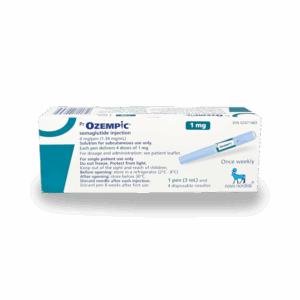
Novum BioScience Semaglutide 10mg
Semaglutide is a glucagon-like peptide-1 (GLP-1) receptor agonist that has revolutionized the treatment of metabolic disorders by mimicking the action of natural incretin hormones. Originally developed for type 2 diabetes management, it has gained significant attention for its remarkable efficacy in weight management and cardiovascular protection.
The peptide works by binding to GLP-1 receptors throughout the body, stimulating insulin secretion in response to elevated blood glucose, suppressing glucagon release, slowing gastric emptying, and reducing appetite through central nervous system pathways. This multi-faceted approach improves glycemic control while promoting sustainable weight loss through reduced caloric intake and enhanced satiety.
Clinical research has demonstrated semaglutide’s impressive benefits, including average weight reductions of 15-20% in obesity trials, significant A1C improvements in diabetes patients, and reduced cardiovascular events in high-risk populations.
The vast majority of semaglutide side effects are digestive in nature. Nausea is the most frequently reported symptom, affecting between 16% and 44% of users, particularly at higher doses used for weight loss.
Nausea often presents as persistent queasiness, especially after meals, due to slower stomach emptying. Vomiting occurs in 5% to 24% of patients and is typically linked to the body adjusting to the dose. Diarrhea affects approximately 8% to 30% of users and usually subsides within a week, while constipation impacts up to 25% of users due to slowed gut movement.
Other common digestive issues include abdominal pain, bloating, heartburn, burping, and gas. Non-digestive common side effects may include fatigue, headache, dizziness, and injection-site reactions. In people with type 2 diabetes, low blood sugar (hypoglycemia) is also a risk, especially if taken with other diabetes medications like insulin.
More serious side effects may include:
Although rare, semaglutide can cause severe health issues that necessitate prompt medical intervention. Users must be vigilant for signs of pancreatitis, which presents as severe, persistent abdominal pain often radiating to the back, accompanied by nausea and vomiting.
Gallbladder disease is another risk, potentially caused by rapid weight loss; symptoms include right-sided abdominal pain, fever, and jaundice. Kidney injury can occur, often secondary to dehydration from vomiting or diarrhea, manifesting as reduced urination, swelling in the limbs, or extreme fatigue.
Severe allergic reactions are life-threatening and require emergency care; signs include swelling of the face, lips, or throat, difficulty breathing, and severe rash. Additionally, users may experience vision changes, such as blurred vision, which is a particular concern for those with a history of diabetic retinopathy. There have also been reports of gastroparesis (stomach paralysis) and intestinal blockage.
Generic semaglutide dosage typically mirrors its brand-name counterparts, following a gradual titration schedule to minimize gastrointestinal side effects. The standard starting dose for both injectable and oral forms is low, with weekly or daily increases over several weeks to reach a maintenance dose.
Injectable Semaglutide (Ozempic/Apo-Semaglutide equivalents)
-
Starting Dose: 0.25 mg once weekly for the first 4 weeks.
-
Titration: Increases every 4 weeks to 0.5 mg, then 1.0 mg, and potentially 2.0 mg.
-
Maximum Dose: The maximum recommended dose for diabetes management is 2.0 mg weekly. Generic versions like Apotex’s Apo-Semaglutide are available in 2 mg and 4 mg prefilled pens, but the therapeutic cap for the Ozempic indication remains 2.0 mg.