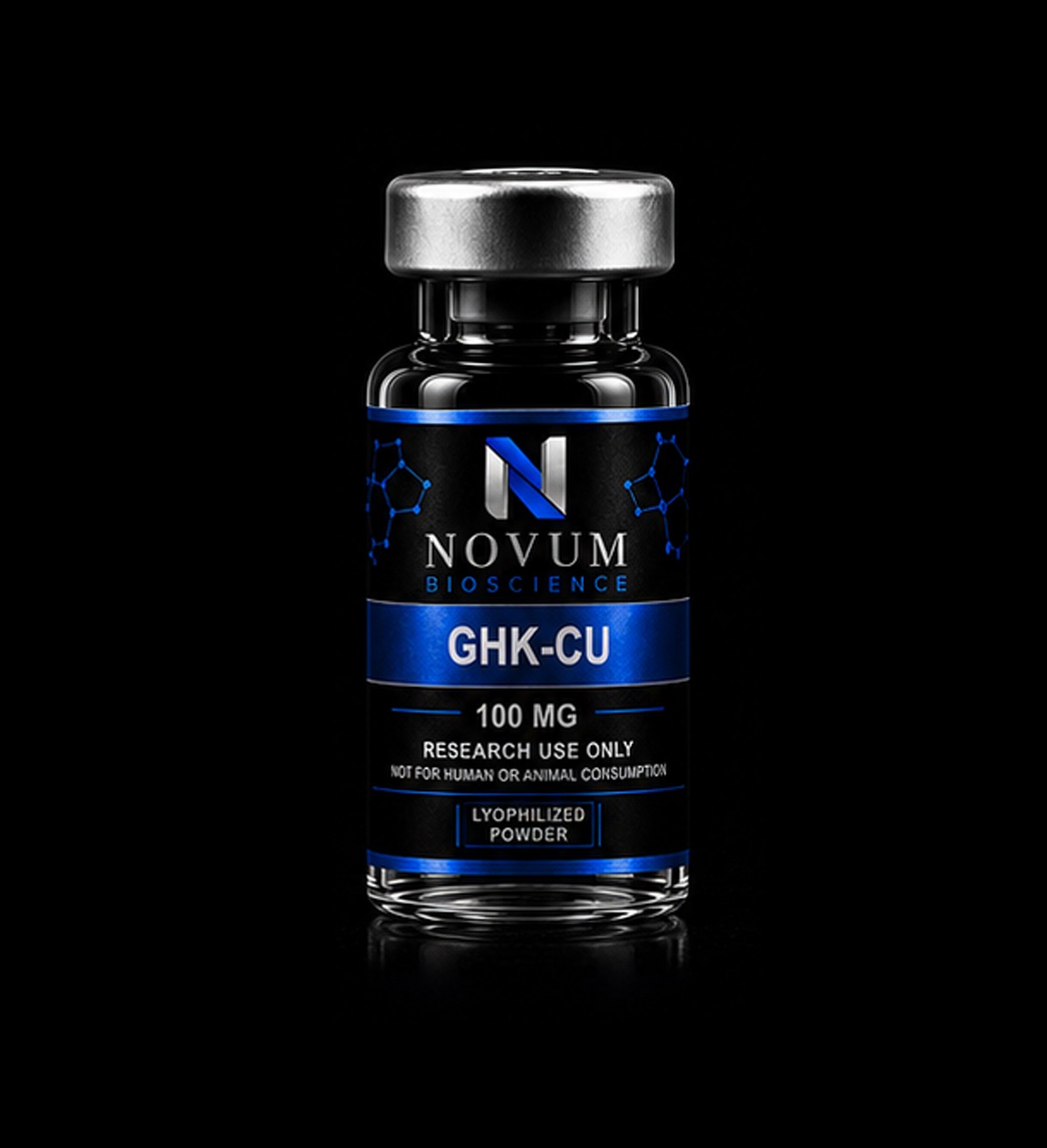
GHK-CU 100mg
$90.00
- Description
- SIDE EFFECTS
- DOSAGES
Description
Novum BioScience GHK-CU 100mg
GHK-Cu is a naturally occurring copper-binding peptide composed of three amino acids (glycine-histidine-lysine) that plays a crucial role in tissue repair and regeneration. Found in human plasma at higher concentrations in youth, its levels decline significantly with age, contributing to reduced healing capacity.
This peptide works through multiple mechanisms: it serves as a copper delivery system to cells, stimulates collagen and elastin production, promotes angiogenesis (formation of new blood vessels), and acts as a powerful antioxidant and anti-inflammatory agent. These combined effects make it exceptionally effective for skin health, wound healing, and tissue regeneration.
Research has demonstrated GHK-Cu’s remarkable ability to reduce wrinkles, improve skin firmness and elasticity, accelerate wound healing, and even stimulate hair growth. Beyond aesthetic benefits, it shows promise in reducing inflammation, supporting immune function, and potentially offering protective effects against radiation damage. Its versatility and safety profile have made it increasingly popular in both cosmetic and therapeutic applications.
-
Topical use of GHK-Cu most commonly causes mild, transient skin irritation, including redness, itching, or tingling at the application site. While generally well-tolerated, rare adverse reactions include allergic responses (hives, swelling) and a phenomenon known as “copper uglies,” where users experience accelerated aging signs like sagging skin, puffiness, or the appearance of fine lines due to excessive metalloproteinase activity.
Injectable or systemic use carries different risks, with users reporting injection site pain, fatigue, headaches, and dizziness. There are anecdotal reports of brain fog and lethargy, particularly with higher doses, and potential copper toxicity symptoms such as nausea, metallic taste, or abdominal pain if dosages are excessive. Notably, injectable GHK-Cu is not FDA-approved and lacks robust long-term human safety data, with regulatory bodies like the MHRA classifying it as a research-use-only compound due to safety concerns regarding unregulated peptide markets.
GHK-Cu dosage varies significantly by administration route, with topical applications using 1–4% concentrations applied once or twice daily, while injectable protocols typically range from 0.5–2.0 mg per day subcutaneously.
Injectable Dosage
-
Standard Range: Most protocols utilize 1–2 mg per day, administered subcutaneously.
-
Frequency: Common schedules include 5 days on / 2 days off or 3 times per week.
-
Cycling: Treatments typically run for 8–12 weeks, followed by a 4-week break to maintain receptor sensitivity.
-
Titration: Beginners often start at 1.0 mg daily for the first 4–8 weeks, potentially titrating up to 2.0 mg if tolerated.
-
Wound Healing: Higher doses of 2–3 mg daily may be used for acute recovery until healing is complete.
Important Note: There are no FDA-approved dosing guidelines for injectable GHK-Cu; protocols are derived from clinical research and community use. Always consult a healthcare professional before starting any new peptide regimen.