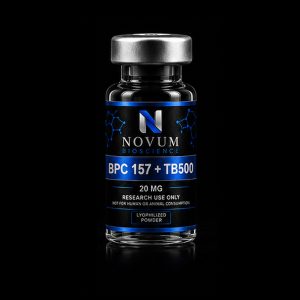
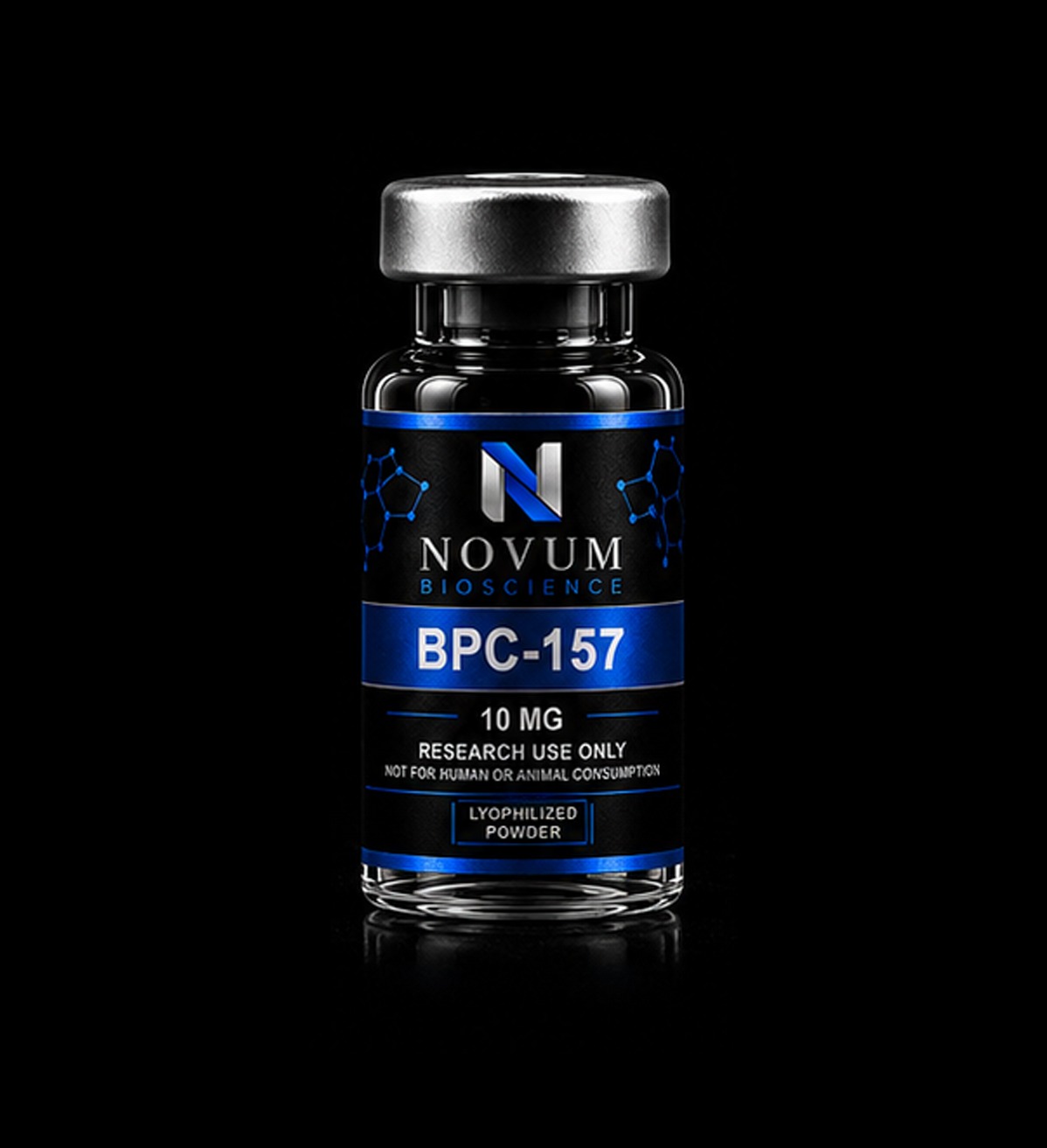
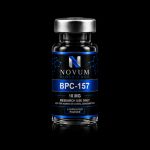
BPC 157 10mg
$75.00
- Description
- SIDE EFFECTS
- DOSAGES
Description
Novum BioScience BPC-157 10mg
BPC-157 is a synthetic peptide consisting of 15 amino acids, derived from a protective protein found in human stomach juice. It has gained significant attention in regenerative medicine for its remarkable healing properties.
The peptide works through multiple mechanisms: it accelerates angiogenesis (formation of new blood vessels), stimulates collagen production, reduces inflammation, and protects cells from oxidative stress. These combined effects promote faster tissue repair throughout the body.
Research has demonstrated BPC-157’s effectiveness in healing various tissues including muscles, tendons, ligaments, bones, and even the digestive tract. It has shown promise in treating conditions ranging from tendon injuries and muscle tears to inflammatory bowel disease and organ damage.
Unlike many treatments, BPC-157 appears to work systemically, providing localized healing effects when administered through injection or oral routes. Studies have reported minimal side effects, making it an attractive option for those seeking enhanced recovery and tissue regeneration.
-
BPC-157 is generally well-tolerated, but users report several side effects ranging from mild and transient to severe and persistent. The most common issues include headaches, nausea, dizziness, fatigue, and injection site irritation, which typically resolve within 24–72 hours.
More serious or less common adverse reactions reported in anecdotal communities and limited clinical observations include:
-
Neurological and Mood Changes: Anxiety, depression, brain fog, insomnia, and severe mood swings.
-
Cardiovascular Issues: Elevated blood pressure, heart palpitations, and increased resting heart rate.
-
Gastrointestinal Distress: Severe bloating, constipation, diarrhea, and gut motility issues, particularly in those with pre-existing conditions like SIBO or hypothyroidism.
-
Allergic Reactions: Rashes, hives, blistering, and swelling.
Important Considerations:
-
Lack of Regulation: BPC-157 is not FDA-approved for human use, meaning online products may be impure or contaminated, potentially causing adverse effects unrelated to the peptide itself.
-
Pre-existing Conditions: Individuals with cancer should avoid BPC-157 due to its potential to promote blood vessel formation, which could aid tumor growth. Those with liver or kidney concerns may also be at higher risk.
-
Duration: While most mild side effects subside quickly, some users report symptoms lasting weeks or months, particularly after oral administration or in individuals with specific genetic factors (e.g., COMT gene variants).
Consulting a healthcare professional is strongly advised before use, especially for those with pre-existing health conditions.
-
BPC-157 dosage varies by administration route and intended goal, with typical therapeutic ranges between 250–1,000 micrograms (mcg) per day. It is not approved by any drug regulatory agency for human use, and health authorities discourage its use due to insufficient safety data.
Injectable Dosage (Subcutaneous or Intramuscular)
-
Typical Range: 250–500 mcg daily, sometimes split into two doses.
-
Cycle Length: 4–12 weeks depending on whether the injury is acute or chronic, followed by an 8–10 week break.
-
Best For: Localized tendon, ligament, muscle, and joint healing.
Administration: Injected subcutaneously near the injury site for local effect or systemically (e.g., abdomen) for broader benefits.
Key Considerations
-
Weight-Based Calculation: Some protocols suggest 2.5–3.75 mcg per kilogram of body weight, administered twice daily.
-
Safety Warnings: BPC-157 promotes angiogenesis (blood vessel growth), raising theoretical concerns about tumor promotion; users are advised to monitor health metrics and consult a physician.
-
Legal Status: It is banned by the World Anti-Doping Agency (WADA) and is considered a prescription-only medicine in some jurisdictions despite lacking formal approval.